A person may face an allegation involving a controlled substance and a separate accusation about an object found nearby. A drug paraphernalia charge in Florida can raise questions that are not answered simply by asking whether drugs were found. In Fort Lauderdale, the details of what the object is, how it was allegedly used, and who knew about or controlled it may all matter. Michael D. Weinstein, PA helps people understand the issues that can arise in criminal cases. This article explains how Florida law treats paraphernalia, why an object-related allegation may stand apart from a drug charge, and what search and possession circumstances may be relevant. The information is general; the facts and applicable law can differ from case to case.
Is a drug paraphernalia charge a separate offense in Florida?
Yes. Florida law provides for offenses involving drug paraphernalia that are distinct from offenses involving possession of a controlled substance. Florida Statutes sections 893.145 and 893.147 address, respectively, what may qualify as paraphernalia and certain prohibited conduct involving it. As a result, prosecutors may bring a paraphernalia allegation even when there is also a separate allegation about a controlled substance. The two accusations involve different questions and must be considered on their own facts.
The law does not make every ordinary object illegal just because police find it near suspected drugs. The object’s design or use, the circumstances around it, and evidence of a person’s knowledge or intent may be important. A household item can have a lawful purpose; the relevant issue is whether the evidence supports the legally required connection between the item and a controlled substance.
What can count as paraphernalia?
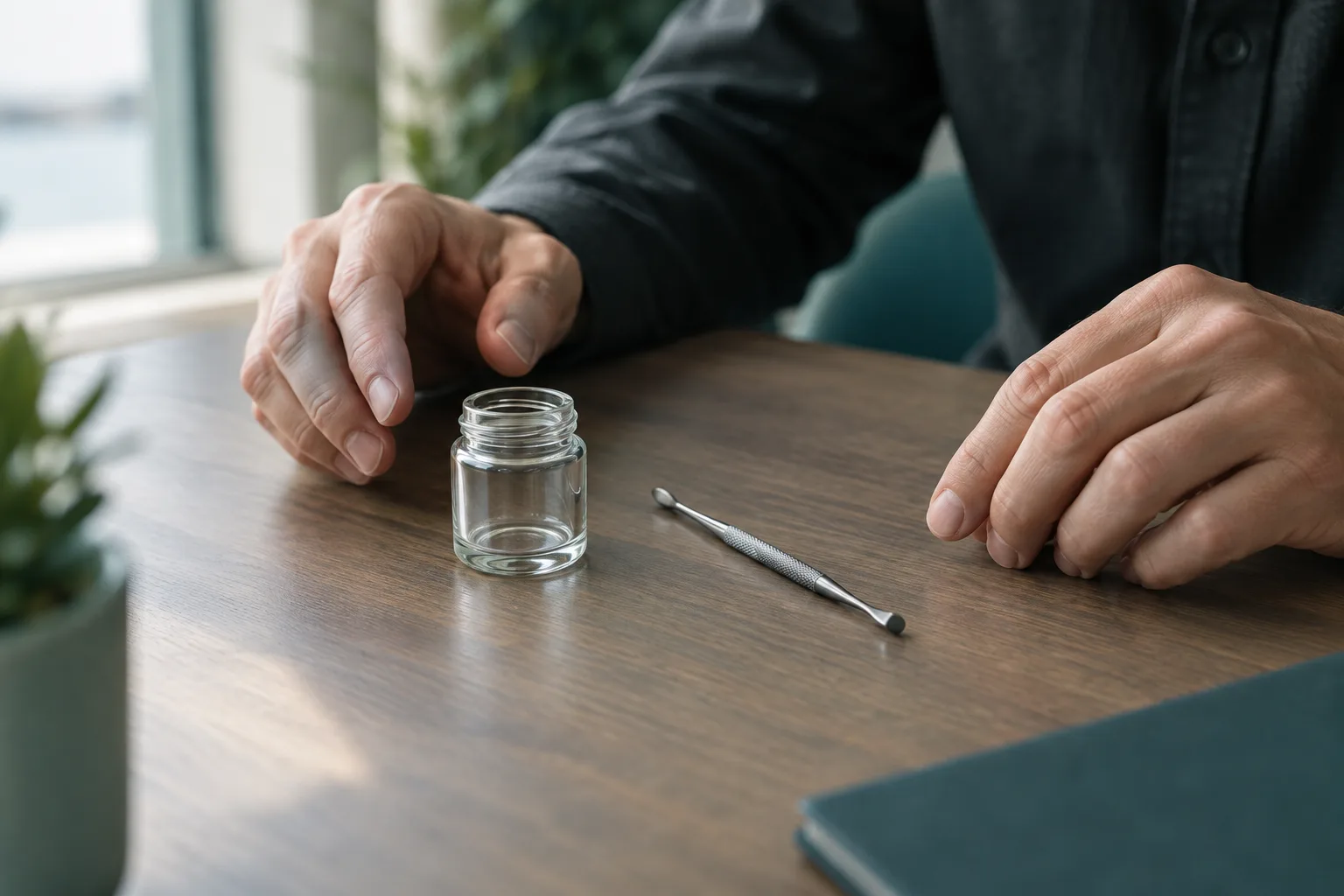
Florida’s statutory definition covers a range of objects that are used, intended for use, or designed for use in connection with activities such as preparing, packaging, storing, or consuming controlled substances. The statute identifies factors that may help determine whether an object falls within that definition. Those factors can include statements about the object’s use, its proximity to suspected drugs, residue, instructions or advertising, and whether the object has a legitimate use apart from drug-related activity.
No single factor should be treated as automatically decisive. In Fort Lauderdale, as elsewhere in Florida, the specific item and the evidence about its alleged use matter.
What conduct can lead to a separate accusation?
Section 893.147(1), Florida Statutes, generally addresses using, or possessing with intent to use, drug paraphernalia in specified ways. That can include using an item to introduce a controlled substance into the body or to prepare, package, or store it. Other conduct, such as delivering paraphernalia to a minor for use, is addressed separately and may carry different consequences. The charge and potential classification depend on the specific alleged conduct and applicable statutory language.
What facts matter in a Florida paraphernalia case?
An allegation does not establish guilt. The state must prove the elements of the charged offense, and the evidence must be evaluated in context. For an object-related charge, several practical questions may arise:
- What is the item? Its ordinary purpose, design, condition, and any residue or other physical evidence may be considered.
- What use is alleged? The prosecution may rely on surrounding circumstances or statements to argue that the item was intended for a prohibited use.
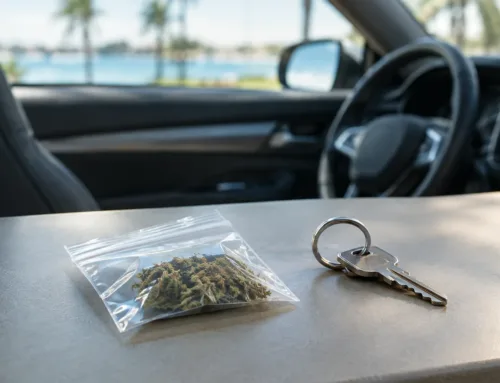
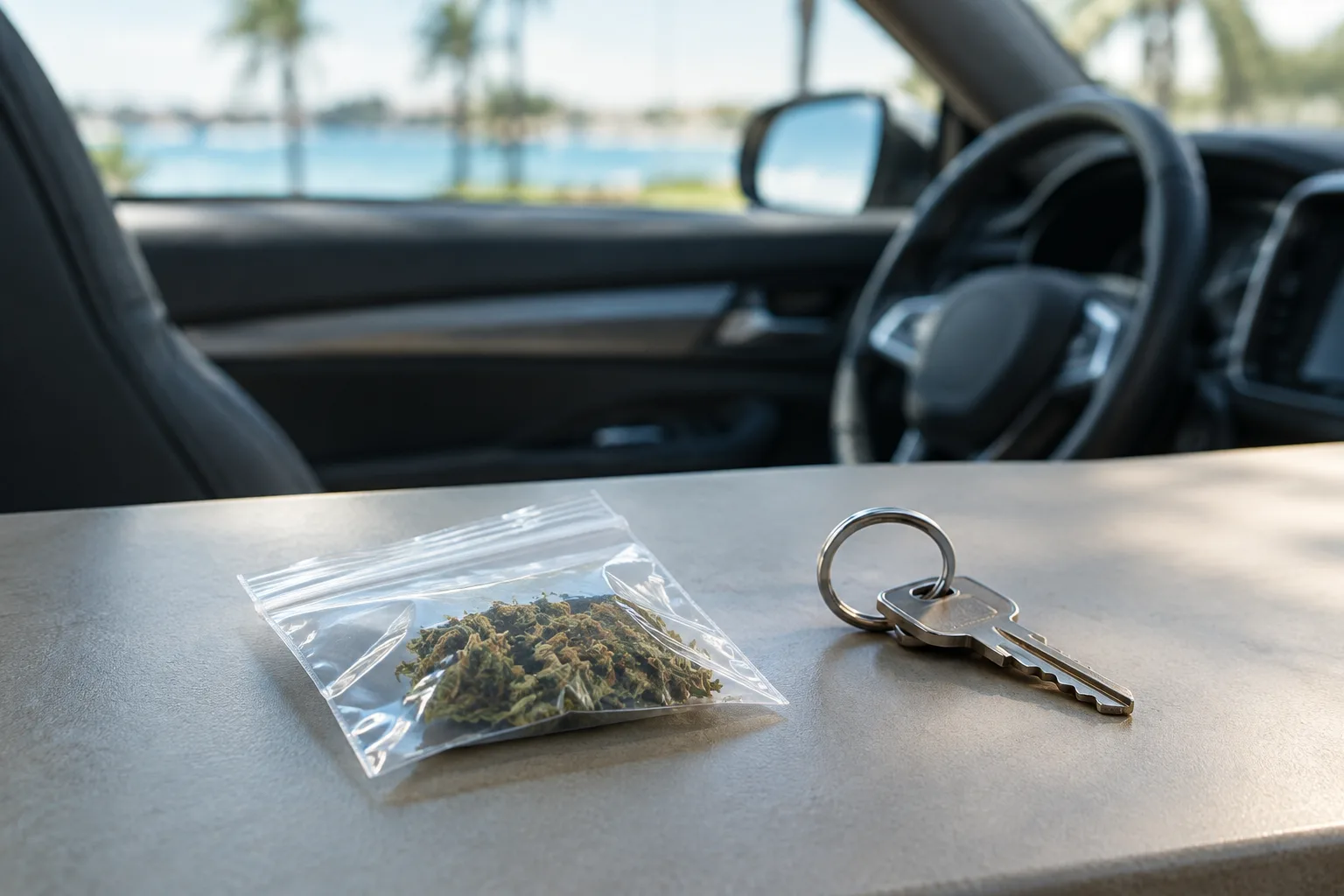
- Who possessed or controlled it? Being near an object does not necessarily show that a person knew it was there or exercised control over it. Shared spaces, including a vehicle, can raise questions about access and knowledge. Read more about how shared-car circumstances can affect possession allegations.
- How was it found? The legality and scope of a search may matter to whether evidence can be used. A warrant’s terms and the area searched can raise questions about limits on a Fort Lauderdale drug-warrant search.
In Broward County, a criminal case may proceed in Florida’s Seventeenth Judicial Circuit. The investigating agency and precise procedures depend on where the incident occurred and the facts of the case. A Fort Lauderdale drug paraphernalia defense review may consider the charge language, reports, physical evidence, and circumstances of the search—not just the label attached to an object.
When cannabis or a lawful purpose is part of the facts
An object may have a lawful everyday purpose or be associated with cannabis. Authorization related to cannabis does not automatically resolve a separate paraphernalia allegation; the nature of the item, alleged conduct, and applicable rules still matter. For background on the distinct issues that can arise, see Florida rules for conduct involving medical marijuana.
What should a person charged understand about the accusation?
A paraphernalia accusation is not simply a lesser version of a drug-possession charge. It can involve a different item, a different theory of conduct, and different evidence. If both types of allegations appear in one case, each charge should be reviewed separately. The prosecutor’s description of an object does not, by itself, settle whether the statutory definition and elements are supported.
Some common assumptions can obscure important details. For example, an item’s presence in a shared room or vehicle may not establish who knew about it or controlled it. Likewise, the absence of a controlled substance does not automatically end a paraphernalia allegation if the state claims other evidence shows prohibited use or intent. The actual charge, evidence, and circumstances determine what issues may be raised.
Depending on the situation, a person and their attorney may examine:
- The precise statute and conduct alleged in the charging document.
- Whether evidence connects the person to the item and supports the alleged intended use.
- Whether the object has a common lawful purpose and how that bears on the statutory factors.
- How officers located and seized the item, including whether the search stayed within applicable limits.
- Whether a local program may be available. Eligibility is not automatic; readers can review Broward County drug court eligibility after an arrest for general information.
People seeking local counsel can also review Fort Lauderdale drug charge defense options. An attorney can assess the particular allegations and explain possible options without assuming that a particular result is assured.
Frequently Asked Questions
Can someone be charged with paraphernalia if no drugs were found?
Possibly. Florida law addresses certain conduct involving paraphernalia separately from possession of a controlled substance. The absence of drugs does not automatically decide the issue, but the state still must prove the elements of the particular charge. The alleged use or intended use of the object, statements, physical evidence, and surrounding circumstances may all be relevant to the case.
Is a Florida paraphernalia charge always a misdemeanor?
Not necessarily. Certain paraphernalia conduct under Florida Statutes section 893.147 is generally treated as a misdemeanor, while other conduct described in the statute may carry a different classification. The applicable charge depends on what conduct is alleged and the governing statutory provision. A person facing a charge can ask a Florida-licensed attorney to explain the specific accusation and potential consequences.
Can a passenger be accused because an item was in a shared vehicle?
A person’s presence in a vehicle does not, by itself, answer whether they knew about or controlled a particular item. The location of the object, access to it, statements, and other evidence may matter. Shared-vehicle cases are fact-specific, and the state must prove the elements of the charged offense. An attorney can review how the evidence relates to each person in the vehicle.
Does medical marijuana authorization automatically resolve a paraphernalia accusation?
No automatic answer applies to every situation. Authorization concerning cannabis may be relevant to some allegations, but it does not necessarily resolve a separate claim about an object or its alleged use. The item, conduct, and applicable Florida law should be considered together. The rules may change, and a Florida-licensed attorney can assess how current law applies to a person’s circumstances.
How Michael D. Weinstein, PA Can Help
A paraphernalia allegation can turn on details that are easy to miss, including what the object is, how it was discovered, and what evidence connects it to a person. Michael D. Weinstein, PA is dedicated to helping people understand their criminal defense options and is committed to fighting for their rights. The firm can review the accusation, discuss relevant evidence, and explain potential next steps based on the individual facts. If you are facing a drug paraphernalia charge in Fort Lauderdale or elsewhere in Broward County, contact Michael D. Weinstein, PA to request a free consultation or case evaluation.
The information in this article is for educational purposes only and does not constitute legal advice. Contact an attorney licensed to practice in Florida for advice specific to your situation. Laws vary by location and may have changed since publication.