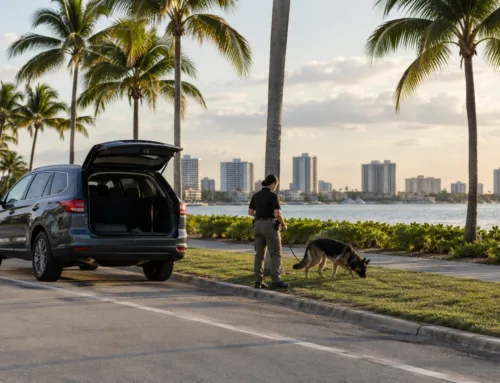

A medical marijuana card may help explain why someone possessed cannabis in Florida, but it does not automatically resolve a criminal allegation. For anyone facing a Fort Lauderdale cannabis charge, the key question is often whether the specific possession or conduct falls within the state’s medical-use rules. Florida medical marijuana possession laws set boundaries around who may use medical cannabis and under what authorization. Florida’s rules on recreational marijuana use provide useful context: patient authorization is limited, not general permission for recreational possession. Michael D. Weinstein, PA, helps readers understand why the card, the circumstances, and the evidence each matter. This article explains what patient status may establish, what it does not cover, and what other issues can affect a case in Fort Lauderdale and Broward County.
What Do Florida Medical Marijuana Possession Laws Authorize?
Florida’s medical cannabis program allows qualifying patients to use medical marijuana within the state’s rules. Generally, that involves a physician’s certification, an active patient registration, and cannabis obtained through the state-regulated system. A card is evidence of patient status; it is not an unrestricted permit to possess cannabis in any amount, form, or setting.
The scope of authorization can depend on the patient’s current registration, physician certification, and the permitted product or amount. Questions may arise if the cannabis was not obtained through an authorized source, appears inconsistent with the patient’s approved use, or is possessed by someone other than the registered patient. The precise facts matter, and medical authorization should not be treated as a blanket answer to every allegation.
A card is relevant, but not conclusive
A valid card may be important evidence when a possession allegation concerns cannabis the patient was authorized to possess. It does not, by itself, establish that every item found belongs to that patient or that every aspect of the conduct was authorized. For a Fort Lauderdale resident, the distinction between limited medical authorization and recreational possession is important when evaluating a charge.
Florida medical cannabis rules and related procedures may change. The details should be reviewed under the law and program requirements applicable to the specific situation.
When Can a Cannabis Allegation Go Beyond Patient Possession?
A medical card does not itself authorize selling, distributing, or trafficking cannabis. If law enforcement alleges a transfer, sale, or other conduct beyond a patient’s authorized use, the charge may involve issues different from simple possession. The legal distinction between possession and trafficking can depend on the alleged conduct and evidence, not merely on whether someone has a patient card.
Other facts can also affect whether the allegation is actually connected to the cardholder. For example, cannabis found in a shared vehicle does not automatically establish who knew about it or had control over it. How shared-car evidence can affect a possession case explains why proximity and possession are not necessarily the same thing.
In a Fort Lauderdale cannabis charge, the review may include questions such as:
- Was the person’s medical registration active at the relevant time?
- Was the cannabis connected to that patient and obtained through an authorized channel?
- What conduct does the evidence actually suggest: personal possession, transfer, or something else?
- Do the quantity, packaging, communications, or witness accounts support the allegation?
These are issues to assess in context. A card may be relevant to one part of the case without resolving every disputed fact or charge.
What Other Issues Matter After a Fort Lauderdale Cannabis Charge?
Patient status is only one part of a criminal case. The way police encountered the cannabis, the location of the evidence, and the statements or other evidence collected may matter independently. A card does not determine whether a stop, search, or seizure complied with constitutional limits. Depending on the circumstances, a lawyer may examine when a drug search may violate constitutional limits.
A careful review may also distinguish what is known from what is assumed. In a Broward County case, relevant records might include patient-registration information, purchase or treatment records, police reports, and any available video or witness accounts. Which materials matter depends on the allegations and how the evidence was gathered.
After an arrest or notice of a charge, the process can involve court appearances and decisions about how to address the evidence and allegations. Some people may ask about diversion or treatment-based options, but eligibility is not automatic and does not follow simply from holding a medical card. Program rules and the individual case matter; Broward County drug court eligibility offers related information.
Avoid assuming that the card alone resolves the case or that every cannabis allegation has the same legal issues. A local lawyer can review the charge, patient authorization, and evidence together. For more information about Fort Lauderdale drug charge defense options, see the firm’s practice-area page.
Frequently Asked Questions
Does a Florida medical marijuana card prevent an arrest for cannabis possession?
Not necessarily. A card may be relevant to whether possession was authorized, but it does not prevent an investigation or guarantee that officers will agree the circumstances comply with Florida’s program rules. The card’s status, the source and amount of cannabis, and the surrounding facts may all matter. An arrest allegation is not a final determination of guilt or of whether the possession was lawful.
Can someone else legally possess cannabis using my medical marijuana card?
A patient’s card is personal and does not generally give another person the same patient authorization. Florida’s medical-use protections are tied to the qualifying patient and the program’s requirements. The precise facts, including who possessed the cannabis and the nature of any assistance or transfer, can affect how an allegation is evaluated. A cardholder should not assume that another person is covered by the card.
Does a medical card protect against a cannabis sale or trafficking allegation?
No, a medical card does not itself authorize selling or trafficking cannabis. A patient may have permission for qualifying medical use, but allegations involving distribution or sale raise different questions about the conduct and evidence. The charge and its potential consequences depend on the facts and applicable Florida law. A lawyer can assess whether the evidence supports the allegation and what issues may be available to address.
Can police search my vehicle if I show them my medical marijuana card?
A card does not automatically determine whether a vehicle search is lawful. Search questions depend on the specific encounter, the legal basis asserted for the search, and the facts known at the time. A medical card may be relevant context, but it does not replace an analysis of constitutional rules. In a Broward County case, a defense lawyer can review reports and other available evidence concerning the stop and search.
How Michael D. Weinstein, PA Can Help
Michael D. Weinstein, PA, is dedicated to helping people understand the criminal allegations they face and the evidence behind them. A review may consider the patient’s authorization, the alleged conduct, the source and location of the cannabis, and whether police procedures raise separate issues. No single fact, including possession of a medical marijuana card, answers every legal question. The firm is committed to fighting for clients’ rights and is ready to evaluate the circumstances of a Fort Lauderdale or Broward County cannabis case. Contact Michael D. Weinstein, PA, to request a free consultation or case evaluation and discuss your situation.
The information in this article is for educational purposes only and does not constitute legal advice. Contact a qualified attorney licensed in Fort Lauderdale, Florida, for advice specific to your situation. Laws vary by location and may have changed since publication.