An arrest following a domestic dispute can leave a person focused on the accusation and uncertain about what to do next. If you believe you acted in self-defense, information that documents the full context may matter. In Fort Lauderdale, Florida, preserving potential evidence carefully can help keep it available for a defense attorney and, where appropriate, the court. Fort Lauderdale domestic violence defense representation can include reviewing the circumstances and advising on how evidence should be handled in a pending case.
This guide explains how to preserve Florida domestic violence self-defense evidence, including medical records, photographs, witness details, and original communications. It also covers why you should not alter records or contact witnesses to influence what they say. Each case is different, and evidence should be assessed in light of the specific allegations, release conditions, and available information.
Preserving Florida Domestic Violence Self-Defense Evidence
Start by preserving what already exists rather than trying to build a more persuasive version of events. A contemporaneous message, an unedited photograph, or a record created by a medical provider may carry context that is lost if it is changed, cropped, deleted, or recreated later. Keep the original where possible and make a separate backup without changing the source file.
Medical records and injury documentation
If you received medical attention, keep discharge paperwork, visit summaries, prescriptions, and information about the provider or facility. A medical record may document what was observed and when, but it does not by itself decide who was acting defensively. If you did not seek care at the time, do not create a record or describe symptoms inaccurately. An attorney can discuss whether later documentation is relevant and how to present it fairly.
Photographs may also preserve visible conditions or the scene. Keep original image files, including their date and time information where available. Avoid filters, annotations, cropping, or staging. If you make a later photograph because a condition changes, keep it separate and note when it was taken without implying it was made earlier. Do not enter a place or approach another person to take pictures if doing so could create a safety or legal problem.
Witness details and the setting
Write down names and reliable contact information for people who may have observed events, along with what you personally recall about where they were. Record observations rather than conclusions. Do not ask a witness to adopt your account, compare stories, or send you a prepared statement. A defense attorney can assess whether and how a potential witness should be contacted.
Preserve Original Messages and Other Records Without Changing Them
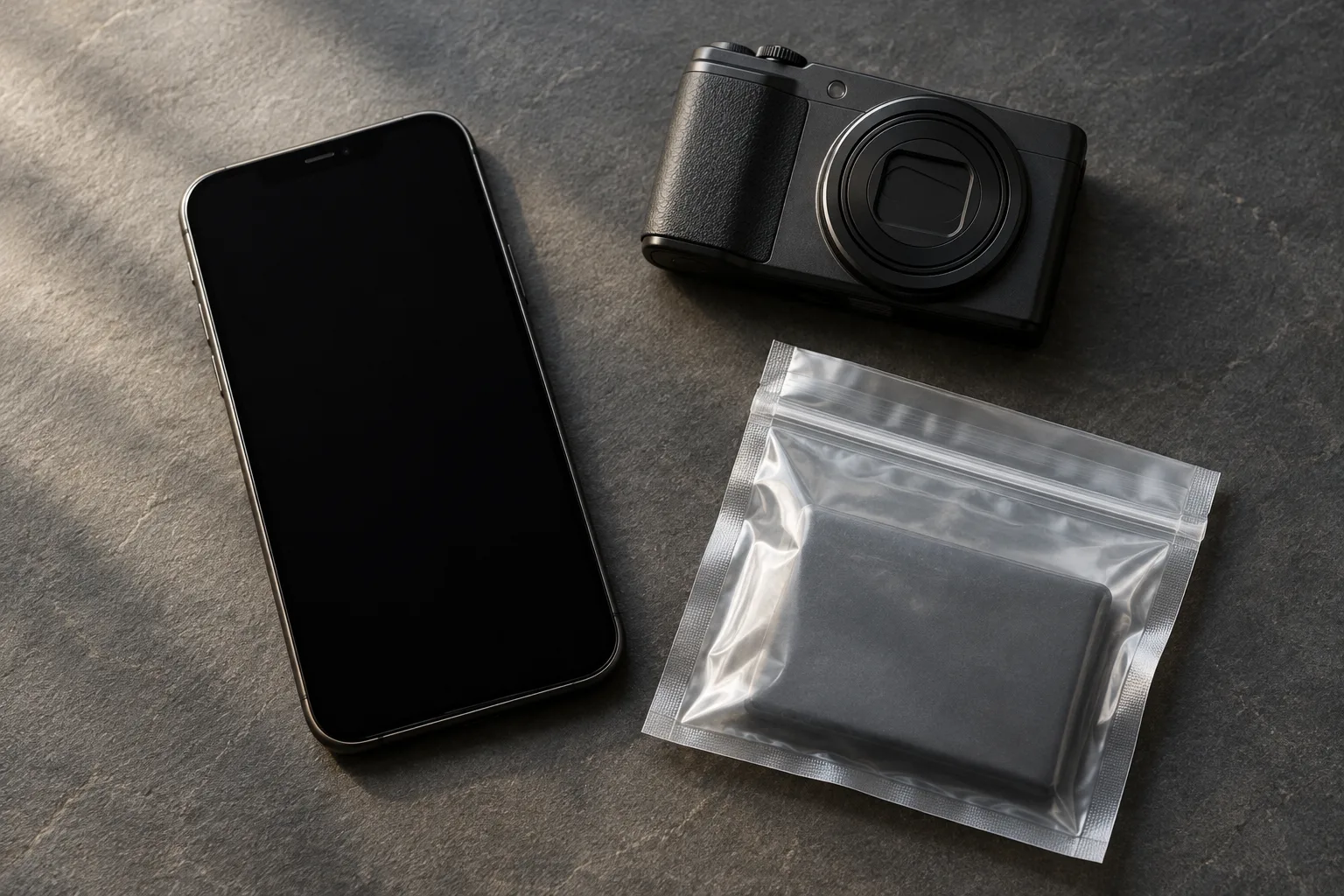
Digital material can include texts, emails, call logs, voicemail, social media messages, photographs, videos, and location or transaction records. Preserve relevant material in its original account or device when possible. Save complete conversations rather than isolated excerpts; surrounding messages may provide timing and context. A screenshot can be useful as a reference, but it may not retain all available information about the original file or conversation.
Consider keeping a separate, secure backup of material you can lawfully access. Do not log in to another person’s account, bypass a password, or use someone else’s device without permission. Do not delete messages, reset a phone, edit files, or ask another person to remove content. If a device or account may contain relevant information, ask a lawyer about appropriate preservation before taking steps that could change or limit access to it.
In Fort Lauderdale, a criminal case may be handled in the Seventeenth Judicial Circuit in and for Broward County, depending on the charge and circumstances. That local court context does not mean every item should be filed with the court or sent directly to an investigator. Counsel can help determine what is relevant, how it may be authenticated, and the appropriate way to provide it. Preserve materials, but avoid posting about the incident or sharing sensitive evidence widely.
A simple evidence log can help keep items organized. For each item, note what it is, where it came from, when you obtained it, and whether anyone else has handled it. Keep those notes factual and do not edit the underlying records to fit the log.
Avoid Evidence Mistakes and Get Case-Specific Guidance
A person who believes they acted defensively may understandably want to explain the situation immediately. But statements made without a full understanding of the evidence or the case can create complications. Do not assume that a direct message to the other person, a public post, or an informal conversation will resolve the allegation. Follow any release conditions or court orders, including any restrictions on contact. If you are unsure what a condition means, seek legal guidance rather than testing its limits.
Avoid these common evidence-handling mistakes:
- Altering, deleting, cropping, or selectively forwarding original material.
- Asking witnesses to coordinate accounts, change wording, or keep information from investigators.
- Contacting the other person to argue about the incident or request a retraction.
- Posting details, images, or accusations on social media.
- Sharing evidence with people who do not need it or may change, forward, or lose it.
- Making guesses about dates or events appear certain when your memory is unclear.
Domestic violence allegations can vary in severity and may involve different legal procedures. If a misdemeanor charge is involved, a person can review the right to have a lawyer in a misdemeanor case and seek advice about the particular charge. A lawyer can discuss how to preserve material, communicate with authorities, and respond to the case without contacting or pressuring witnesses. Michael D. Weinstein, PA can explain its Fort Lauderdale domestic violence defense representation and evaluate the evidence and circumstances presented.
Frequently Asked Questions
Should I take photographs of injuries after a Florida domestic violence arrest?
Photographs may document visible conditions, but they should be genuine and unaltered. Preserve original files and note when they were taken; do not stage images or make a later photograph appear contemporaneous. If you have medical records, keep them with the related materials. A lawyer can help assess whether photographs are relevant and how they may be shared or used in your case.
What if a witness offers to send me a statement?
Preserve the message or offer as received, but do not coach the witness, suggest preferred wording, or ask them to coordinate with others. The appropriate way to obtain or preserve a witness’s account depends on the case. A defense attorney can advise on communication and help avoid conduct that could be viewed as pressure or interference.
Can I delete messages that make the situation look worse?
Deleting potentially relevant communications can create avoidable problems and may make it harder to understand the full context. Do not alter or remove messages because they seem unfavorable. Keep complete conversations and discuss concerns with a lawyer. An attorney can evaluate what is relevant, how it may be interpreted, and what steps are appropriate under the circumstances.
Does preserving evidence mean I should send it to the police right away?
Not necessarily. Preserving material and deciding when or how to provide it are separate questions. The appropriate approach can depend on the case, the type of evidence, and any court orders or release conditions. Keep records secure and unaltered, and seek case-specific legal guidance before making statements or submitting materials.
How Michael D. Weinstein, PA Can Help
After an arrest, it can be difficult to know which records matter and how to protect them without changing their original context. Michael D. Weinstein, PA is committed to reviewing the circumstances, identifying potentially relevant information, and helping clients understand the next steps available in a Florida criminal defense matter. The firm is dedicated to fighting for clients’ rights while recognizing that every case requires an individual assessment.
If you are in Fort Lauderdale or elsewhere in Broward County and have questions about preserving evidence after a domestic violence arrest, contact Michael D. Weinstein, PA to request a free consultation or case evaluation. The firm can discuss your situation and explain possible options without promising a particular result.
The information in this article is for educational purposes only and does not constitute legal advice. Contact a qualified attorney authorized to practice in the jurisdiction that applies to your matter for advice specific to your situation.